
Care for the palms.
Care for the future.
A field guide to coconut rhinoceros beetle, grounded in observation and the care we share for niu.
Know what you see.
Care for what grows.
Coconut is food, relationship, and a living connection across generations. Caring for niu brings close observation together with community knowledge and careful research.
This is your Aloha Organic guide to coconut rhinoceros beetle: what to look for, how to keep useful records, and how to read the science.
Start with identification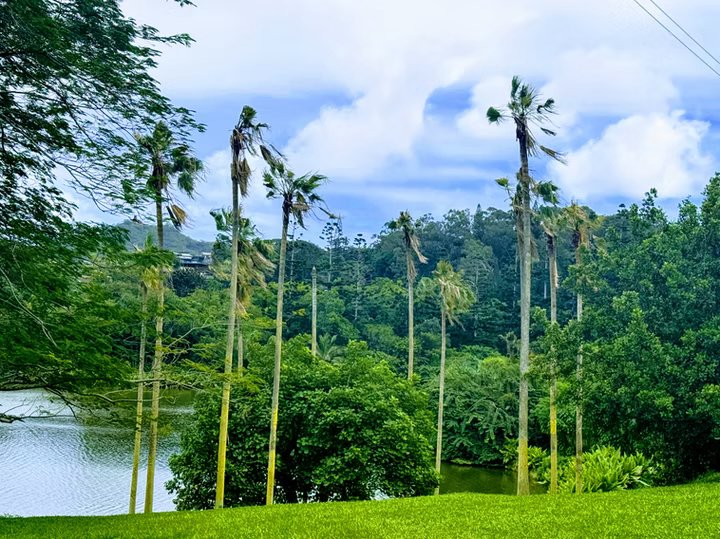
Meet the beetle.
A visual introduction to adults, larvae, and the places they live.
02 / COMPARERead the signs.
Look at crown damage, emerging leaves, and the wider setting.
03 / RESPONDMake a care plan.
Record what you find and consider breeding material alongside palm care.
Good questions.
Grounded research.
Explore our research collection by topic, with plain-language findings, the study setting, and what each can—and cannot—tell us about Hawaiʻi.
Read the research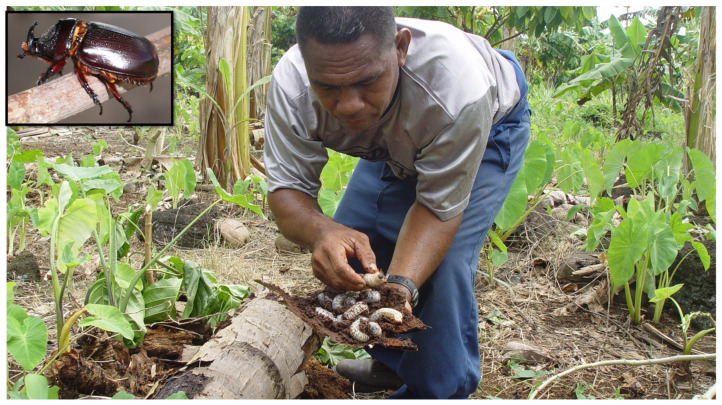
The management manual.
A shared reference for identification, surveillance, sanitation, biological control and integrated pest management—with a guide to the original pages.
Explore the manual